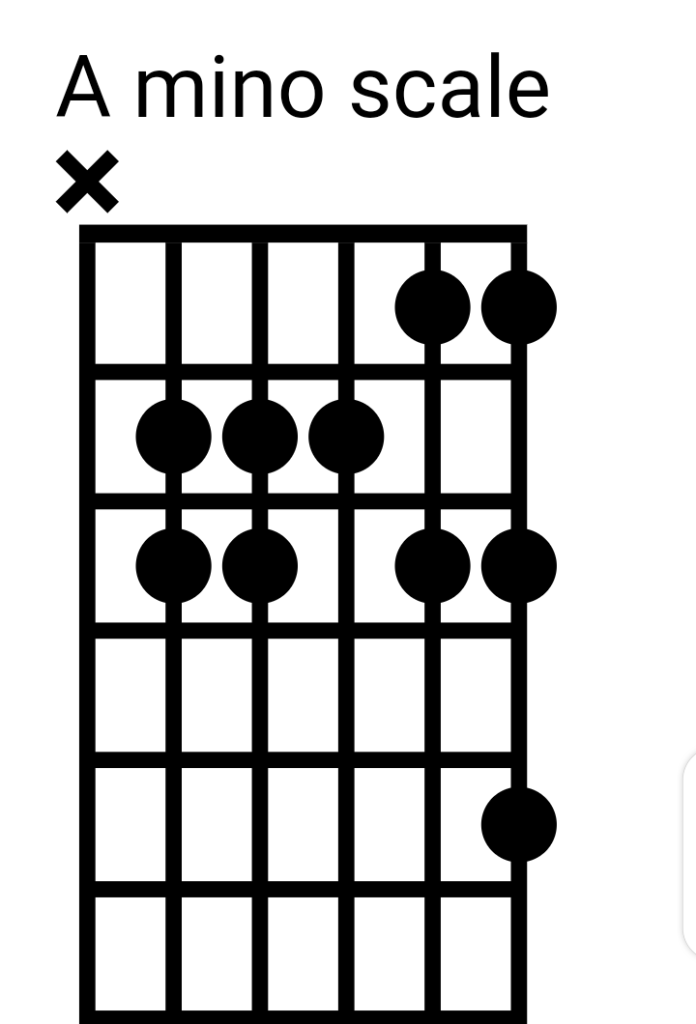
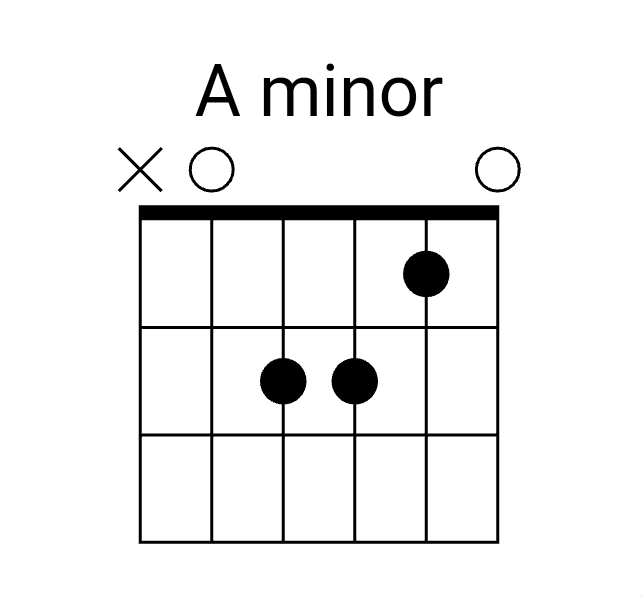
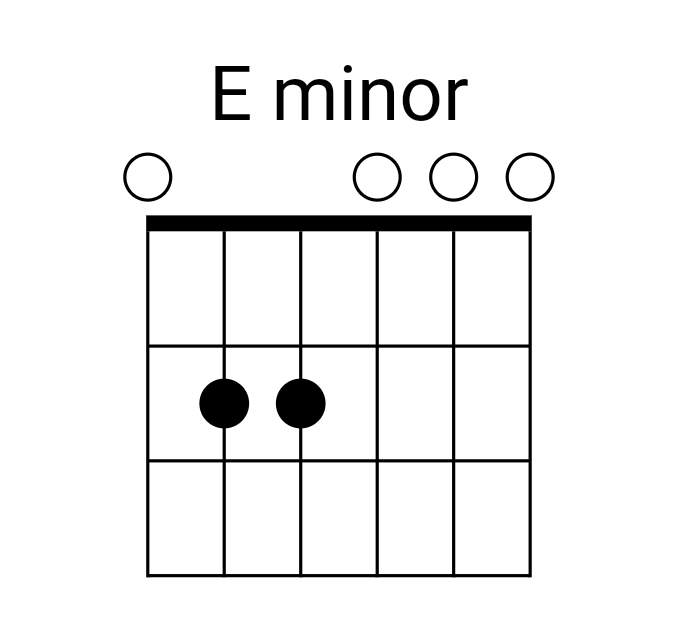
Learn the minor chords in the key of C and the relative minor scale which is A minor scale. This scale is also commonly known as the Aeolian scale the sixth mode of the seven modes in music. It can be used to create a sad mode it’s an amazing scale and sound worth learning and adding to your music. Check it out by tapping the link below https://youtu.be/O-WZrduym0U
Below are the illustrations of the scale and the chords. You can follow the link to watch the video for the illustrations.
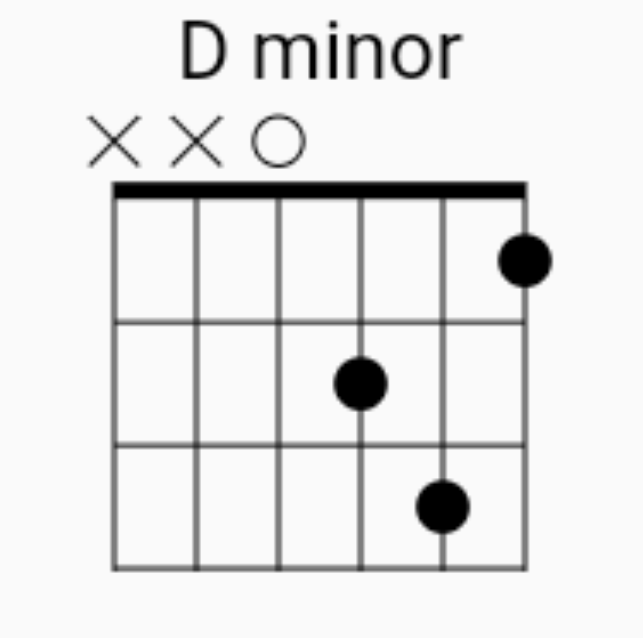
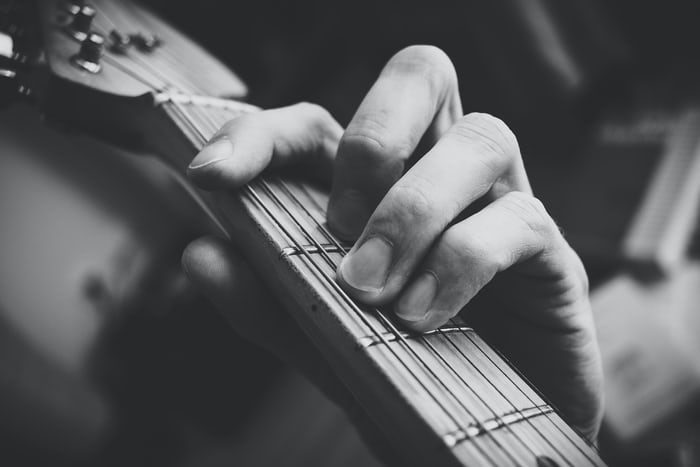
The A minor scale.The A minor chordThe E minor chordThe D minor chord.
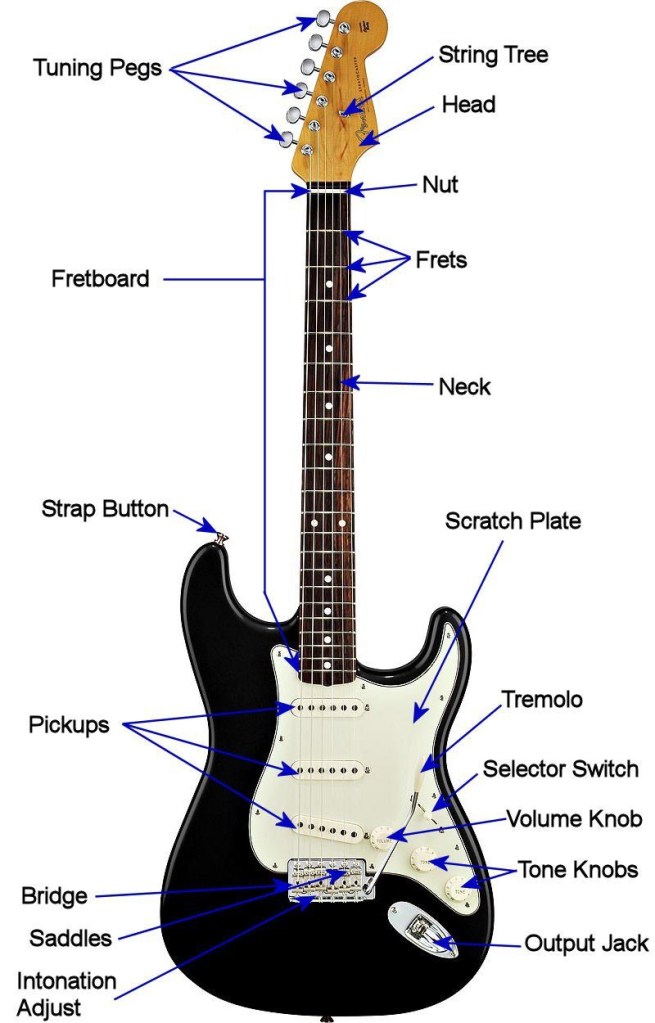
In comparison to a hand made guitar, the electric guitar is a relatively simple instrument.like the acoustic, it has a wooden neck, but it’s body is usually solid rather than hollow and typically made from a dense, durable hardwood although some instruments use metals or plastics. The tone produced by the best electric guitars can be every bit as complex and nuanced as that of acoustic instruments.
How it works.
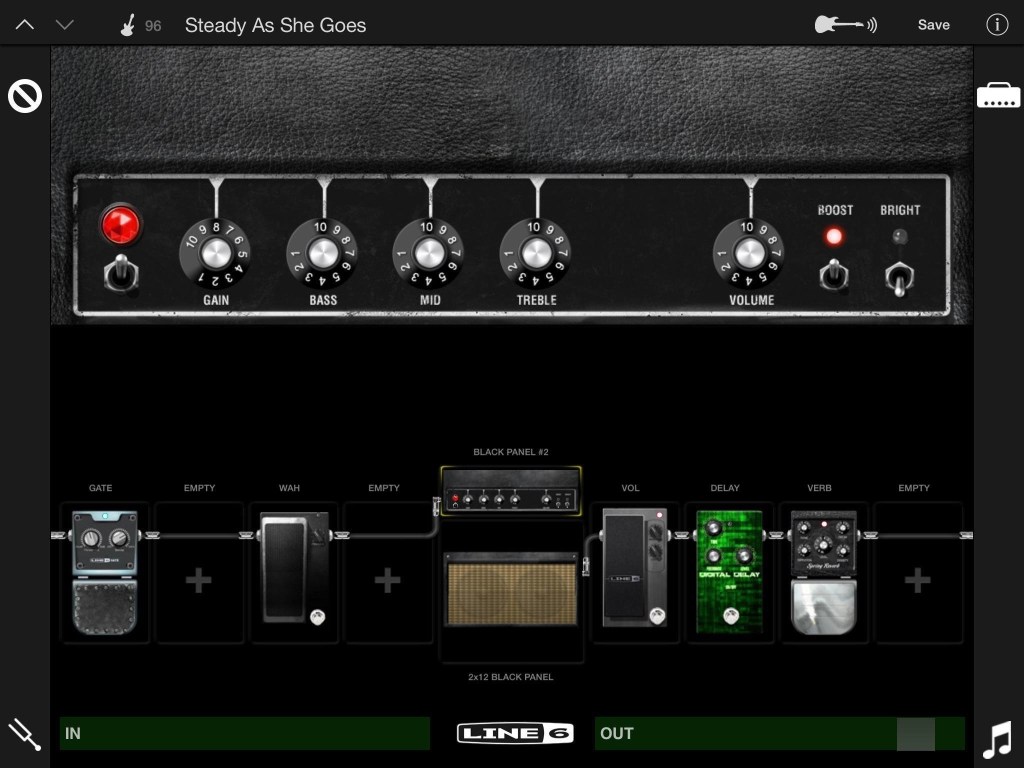
Lacking a hollow resonating body, a solid body electric guitar cannot produce a clearly audible tone on its own. Instead, one or more magnetic pick-ups are mounted on the top surface of the body, between the fretboard and the bridge. An electrical signal is generated by the pick-ups when the guitars strings vibrate. This current is carried through the guitar and lead to the amplifier which transforms it into audible sound. Effects pedals such as fuzz and wah wah can be placed in between the guitar and amp or the amp may incorporate a variety of effects that can be controlled via a foot switch.
Acoustic guitars are the perfect tool for songwriting and impromptu performances, and the best examples have a vibrancy and complexity of tone that can be matched by few other instruments. While the majority of acoustic guitars are built in factories, there are luthiers (guitar makers) in nearly every nation. If you get a chance to try a hand made guitar, you’ll notice it has an extra richness of tone that you won’t find in many factory made guitars. The attention and detail that goes into such instruments comes at a price, but if you decide to invest in one, it will give you a lifetime of superb service.
Construction.
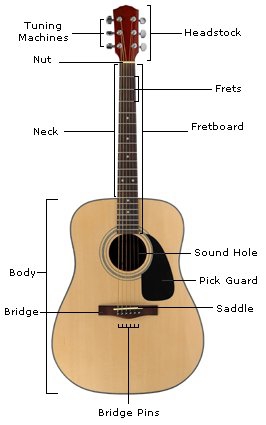
The body of an acoustic guitar is essentially a hollow box. The top or soundboard is made of strong light wood, typically Sitka spruce for steel-string acoustic guitars. Its job is to resonate freely and generate sound. the back of the guitar and it’s curved sides have a different job to do. Instead of being light and flexible, they must provide structural strength and reflect sound outward towards the listener. For this reason, they are made of strong dense hardwood such as rosewood or mahogany. The guitar’s neck is usually attached to the body with a glued dovetail joint, although some makers prefer a bolt-on design. The necks of nearly all modern acoustic guitars contain a slender adjustable metal rod known as a truss rod. It’s used to induce a slight bow shape in the neck that makes playing easier.
Sounding out.
When an acoustic guitar is strummed, the vibration of the strings is transmitted from the bridge into the soundboard. The broad flexible surface of the soundboard vibrates in sympathy with the strings and sets the air around the guitar into motion, generating sound. the other parts of the guitar’s box-like body also help to project the sound. For this reason, an acoustic guitar produces a louder sound than an unplugged electric guitar ( which has a solid body and requires amplification).
This chapter gives you the information you need to choose and buy the right guitar for you. Buying your first instrument, or even a new one is always a mystery if you don’t have enough or right information about it. So if you’re asking yourself, “how do I choose or buy the right instrument?” This is the right place for you to be today. It explores it explores the basic construction of both acoustic and electric guitars, and explain the principles by which they make sound. It examines a range of models- acoustic, semi-acoustic, and electric guitars like I will show you a bit later. But of course this will only be a fraction of the countless guitars designs out there. You may pick or aspire to a particular model because its played by a musician you admire but remember that when it comes to guitars, however flashy the design or big the manufacturer’s name,the tone of the instrument is what counts. Tone is determined by the complex play between the guitar’s build , and components. It is therefore essential to try before you buy. Make a good music shop/store your number one priority.
Amps and electronics.
These are a great recipe to the screaming rock and roll sound and tone.
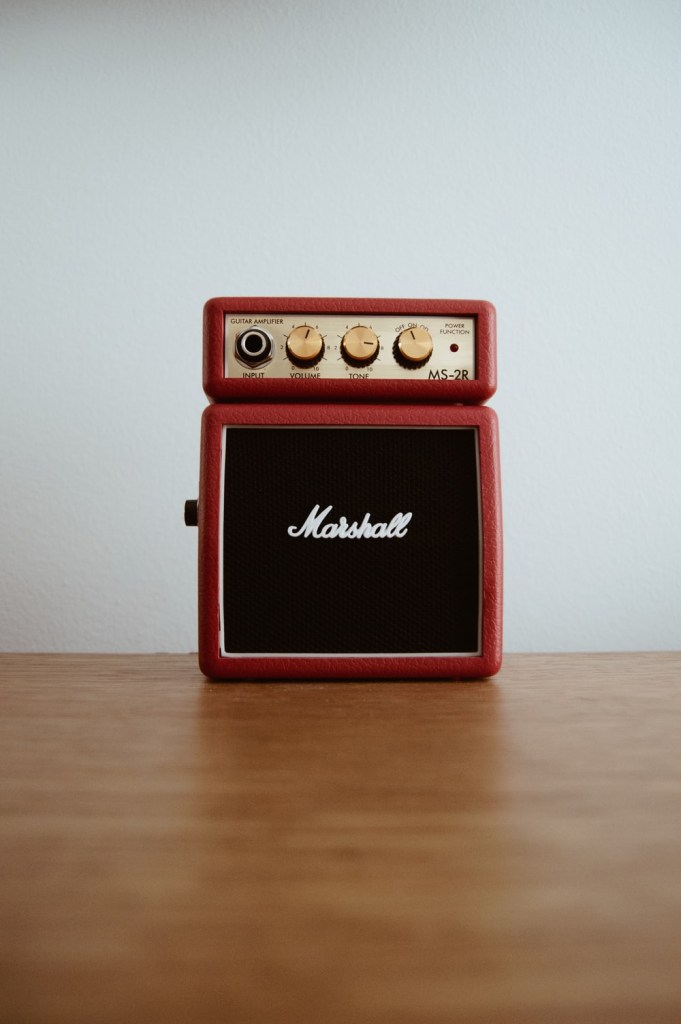
It’s hard to talk about guitar in particular electric guitars without the need to talk about amps, effects pedals and electronics in general. If you’re buying an electric guitar, you’ll also need an amplifier to produce any meaningful sound. You don’t need to spend a lot though because a basic small size practice amp is all you need for a start but just as with the guitar, you need to try it out first. You need to carry your guitar with you or choose one similar to yours and try out the amp.
A small sized amp is good enough to get you started.
You’ll also be tempted by the amazing number of sound effects units you can bolt onto your basic kit. While you may already have an idea of what reverb and overdrive is, I will guide you on a range of effects you can use to shape your guitar sound. Understanding how various types of amps enhance your sound and how sound is modified when you press an effects pedal will help you make confident choices when buying. While this is exciting for some, for others it is no substitute for the raw sound of a fender telecaster or the stage presence of a Marshall amp stack. By all means, take inspiration from your guitar icons but above all, experiment and develop your own sound.
An amazingly versatile instrument, the guitar has some of the percussive qualities of a drum, the melodic beauty of a cello, and the utility of a piano and yet it retains a character distinctly of its own. it can be relatively cheap to buy and simple to maintain and it can be used to play chords and achieve melodies with equal ease. It’s also kind to mistakes and so even the most hesitant beginner can produce decent tunes with a little practice. When I first started to learn the guitar, I never imagined such amazing things about it. It as just that it sounded good and I like e sound. That as basically it for me. You may be asking yourself, but why? My fingers seemed too short and my hands hurt like hell. I would hear or someone plays and say to myself, “that’s too hard”.My desire was to learn the electric guitar because it brought out the Melody and it stood out. It put the player in the limelight. But how on Earth was I ever going to do this if even the simplest chords were this painful? However, with practice, I learned how to play songs in such a short time. When I learned how to play, however, It felt so boring, simply strumming chords. I felt the desire to make it more fun and interesting. That’s why I always wanted to learn the electric guitar. I really loved the sound and the fact that it stands out and you get all the attention. It’s all I ever thought about then. It was when I joined music school and started launching deeper that I started to appreciate the acoustic sound of the guitar. It is simply a small orchestra of its own. It can bring out the drum bit, the sound of a piano, and the Melody simultaneously. I started learning classical guitar. I saw some of my classmates play fingersstyle technique and felt so envious. It just brought out the different colors of the strings and I immediately set to work to develop this skill. And so, I kept switching between electric and acoustic guitar according to how I felt. With that, I have come to appreciate the guitar in all ways. Whenever you feel like one thing is getting monotonous, switch from one to the other, get some rest, and look for inspiration. Whatever it is that you do, don’t give up keep strumming and making music.
Look for inspiration.
“if you feel like you’re not getting enough out of a song, change the instrument. Go from an acoustic to electric and vice versa”
Like no other instrument, the guitar opens up a vast world of musical possibilities. It welcomes everyone from casual Strummers to studio technicians and is ideal if you want to join a band to accompany a singer, or if you desire to bask in the limelight of a soloist. It offers countless choices of expression from sensitive fingerpicked acoustic playing all the way through to loud distorted electric guitar sounds and is suited for almost any genre of music.
Emulation and bringing music to life.
The desire to learn the guitar is often driven by emulation. Perhaps you’re enthralled by Jimi Hendrix, Bob Dylan, Steve Vai, or Wes Montgomery. With the guitar, you’re never short of inspiration. Mine came from a young man called Okiror Albert at my church way back in grade eight. I saw him many times play the electric guitar and fell in love with the sound of an electric guitar right away. What matters most is the relationship you develop with the guitar. I was later inspired to go deeper than from online guitarists like Steve Vai and others. I took action right away and approached him(Albert) because I wanted to develop that relationship with the guitar. I don’t know how to and that was the problem. So I asked him if he could teach me and he said he would and for the next few months, I started developing that relationship with the guitar. I had no idea about outside inspiration from any guitarist, had no idea about YouTube or the internet. I was still blind to the world of the internet. And like I said earlier, that only came way later and so like Billy Gibbons said, “inspiration can come from the most unlikely places,” that’s how I found inspiration. So I diligently practiced day and night and in no time, I could strum some chords, before long, I started learning some songs. I soon joined the church band but my passion had always been to bask in the limelight of a soloist or lead guitarist.
The longer you play, the more of its secrets you unfold. It may be a new technique, a new chord, an effects pedal sound, or a lead lick from a song that had always eluded you. So I always listened to church songs and tried to replicate the melodic lines during intros, interludes, and bridges of these songs. The more I played, the more secrets of the guitar I unfolded. And that’s how I started my musical journey as a guitarist. Whatever the case, the guitar will always keep providing musical pleasures for as long as you play.
This blog will provide you with a practical guide to the guitar. It includes guidance on choosing the right instrument, maintaining your guitar, and becoming a musician. I will guide you step by step based on several learning sessions. Join me on this journey a step by step guide to learning guitar and becoming a musician at that. You will develop new skills and techniques, music theory and so much more.
Of course, there will be moments of frustration when you seem to hit a brick wall in your development, but it’s a common thing to every guitarist and musician out there. You will learn that Barre chord or string bending hurdles have been experienced by countless others before you. They overcame them and so with the help of this practical blog, will you?





 The guitar journey.